

Dr. Jeff Grognet DVM & Dr. Lousie Janes DVM October 2010

Current Article ∙ Archive ∙ Back to Island Voices
Canine Influenza Update
by Jeff Grognet, DVM, BSc (Agr) and Louise Janes, BSc(Agr), DVM
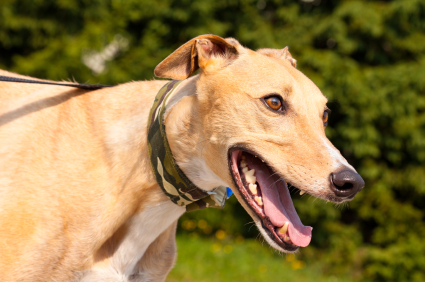
Canine influenza is now no longer limited to dogs in the southern States. In April 2006, researchers at the Cornell University Animal Health Diagnostic Center found anti-influenza antibodies in dogs that had no affiliation with racetracks. About 10 percent of samples from 20 states were positive. Fortunately, it has yet to be found in Canada.
Researchers discovered that the canine influenza virus is a mutated equine virus. It is not linked to feeding horse meat (which was an initial fear). Once dogs are infected, they shed the virus in their nasal secretions. Both dogs that show signs of illness and those with no symptoms can spread the virus to other members of the canine population.
Once in the body, the virus has an incubation period (from infection to clinical signs) of two to five days. In most cases, the symptoms are similar to those of infectious tracheobronchitis (ITB or kennel cough). In fact, differentiating the two diseases is almost impossible. Dogs develop a mild fever and a cough that lasts up to three weeks (sometimes as much as six weeks). Some get a greenish nasal discharge.
While 80 percent of infected dogs may show signs of illness, less than one percent die. In the latter, rare cases, the dog develops a very high fever (104 to 106 degrees F) as the virus invades the trachea and moves deep into the lungs. Death can occur in as little as four hours after infection. Over 1/3 of dogs infected with this form of influenza die.
Canine influenza can be confirmed by finding antibodies against the virus in a dog’s bloodstream. Unfortunately, the results of testing come back too late to be of benefit to an ill animal. Practically, the diagnosis is based on clinical signs.
Though antibiotics cannot treat a viral infection such as this, they are often used to prevent secondary bacterial invasions. The effectiveness of antiviral medications in treating canine influenza have not been evaluated, but most veterinary experts do not believe they can substantially change the course of the disease.
Eventually, canine influenza will finish its spread across the continent. After that time, it will still be seen in isolated pockets, but dogs will then have background immunity to it and be able to fend it off. As well, vaccines against canine influenza are currently being developed.
At this time, researchers believe the canine influenza virus to be much like the equine influenza virus (H3N8). The equine form has been around for at least 40 years with no documented transmission to people. The canine virus appears to behave in the same way.
For more information contact Dr. Jeff Grognet or Dr. Louise Janes at
Mid-Isle Veterinary Hospital
5-161 Fern Road West
Qualicum Beach, BC
Tel (250) 752-8969