
Independence at Home – The RAHA Grant for Seniors
If you’re a senior or living with a disability in BC, there’s a little-known government grant that can make your home safer, more comfortable, and help you stay independent longer:
The RAHA Grant for Seniors or the BC Rebate for Accessible Home Adaptations (BC RAHA).
Run by BC Housing, the RAHA Grant offers up to $20,000 in lifetime rebates per household to help pay for accessibility upgrades like grab bars, ramps, walk-in showers, handrails and other permanent changes that make daily life easier.
For many low-income seniors and people with disabilities, this can be the difference between staying in the home and community they love—or having to move.
What is the BC RAHA grant?
BC RAHA is a provincial rebate program that helps low- and moderate-income households pay for permanent home adaptations that directly relate to a permanent disability or loss of ability. Typical projects include:
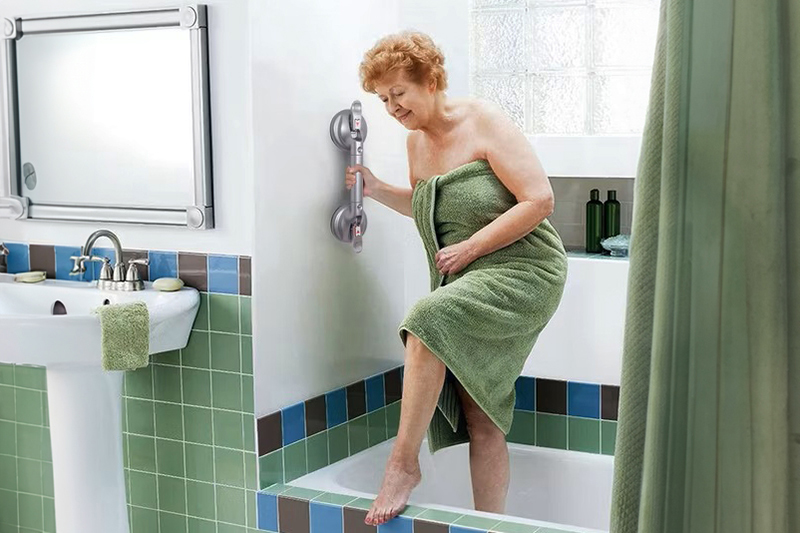
- Grab bars in tubs and showers
- Handrails on stairs and in hallways
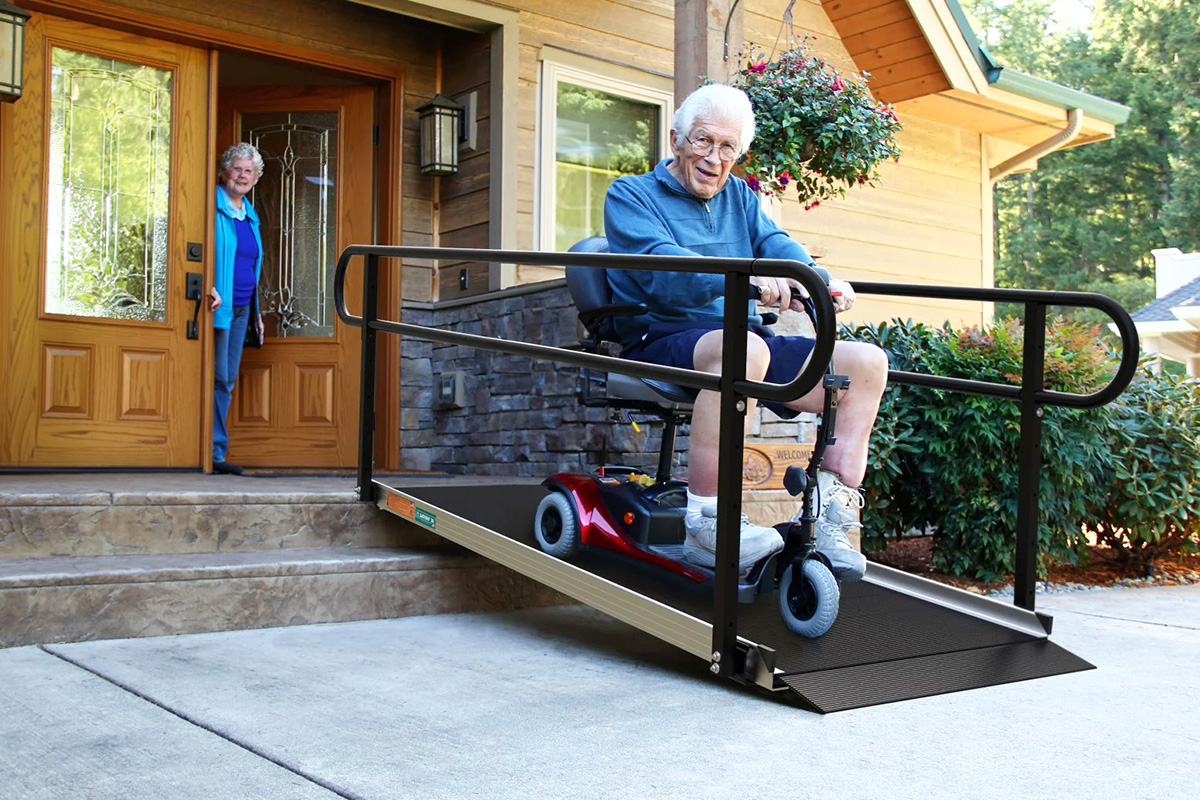
- Ramps to replace or supplement stairs
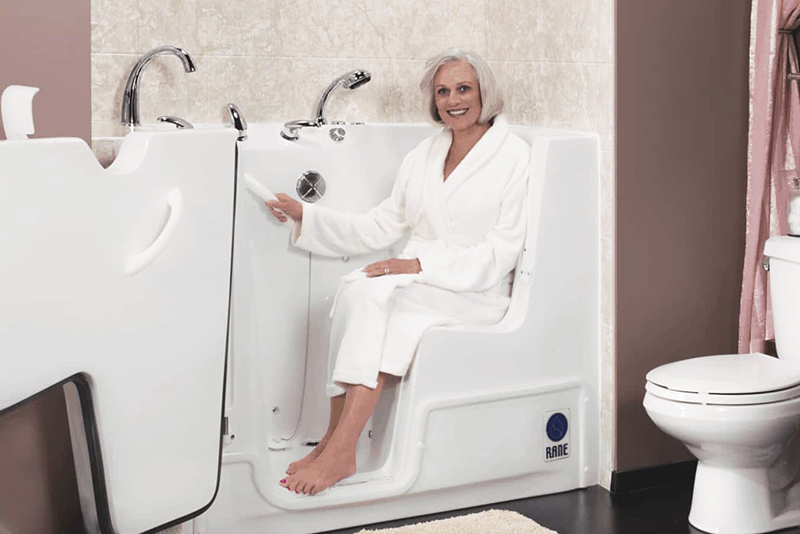
- Walk-in or roll-in showers
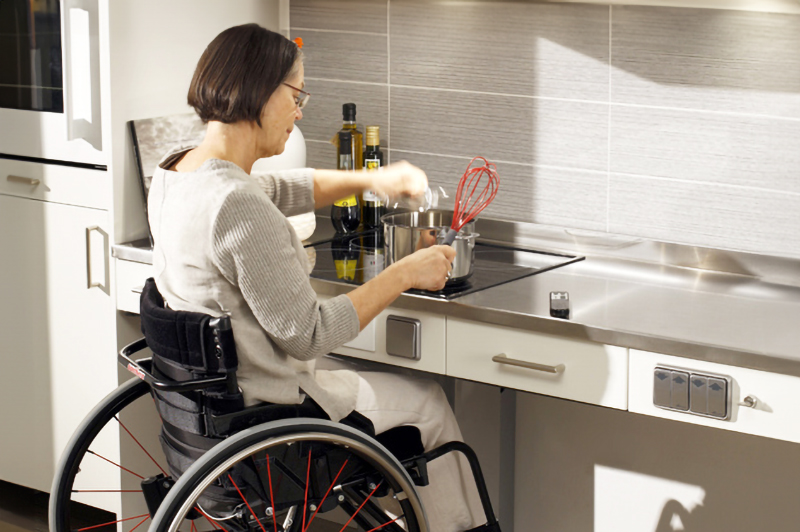
- Lowered counters or cupboards
- Widened doorways for walkers and wheelchairs
- Lift devices and other fixed accessibility equipment
The key point: this is not a loan. Once approved and completed properly, the work is paid for by you up front, and the government reimburses you through a rebate, up to the program’s lifetime maximum.
Who can qualify?
You don’t have to be a homeowner to benefit. Homeowners, renters and landlords can all apply, as long as someone living in the home has a qualifying disability or permanent loss of ability and income/asset limits are met.
In general, you may be eligible if:
- You are a BC resident.
- You, or someone in your household, has a permanent disability or lasting loss of physical ability (this includes many mobility, strength, balance, vision and chronic health issues).
- Your before-tax household income is below the program’s Housing Income Limit (HIL)—recent program materials list a maximum around $128,810 for many applicants, but this can change over time.
- Your household assets (excluding your primary home) are under $100,000, such as savings and investments.
- The person needing the adaptations is a Canadian citizen or permanent resident, or has another eligible immigration status (for example, some refugees).
For homeowners, there are a few extra conditions:
- The home must be your principal residence.
- The property’s BC Assessment value must be below the Home Value Limit (HVL) for your area.
For renters and landlords:
- The unit must be a legal, self-contained rental (full kitchen and bathroom).
- The rent must be below the program’s Rent Affordability Limits, and the landlord must agree not to raise the rent because of the adaptations. Because details like income thresholds and value limits can change, it’s always wise to check the latest information on the BC Housing RAHA website or call BC Housing directly before applying.
How to apply: step-by-step
The process may look a bit bureaucratic at first glance, but many seniors find it manageable—especially with help from family, a trusted contractor, or a local organization.
1. Check your eligibility
Start at the BC RAHA program overview on the BC Housing website. There you’ll find a clear explanation of who qualifies, what types of properties are eligible, and links to homeowner and landlord/tenant application forms.
2. Decide which adaptations you need
Adaptations must be directly related to your disability or loss of ability and must promote safe, independent living.
In many cases, you’ll need an assessment from an Occupational Therapist (OT) or Physical Therapist (PT). The therapist visits your home, looks at your daily challenges, and recommends specific changes. BC RAHA can even provide a rebate of up to $250 for the assessment itself, whether you ultimately proceed with the work.
You can obtain an assessment through Island Health’s Home and Community Care team or a private OT/PT.
3. Complete the application form
There are separate forms for Homeowners and for Landlords and tenants (a joint application)
You’ll need to gather:
- Proof of income (notices of assessment or tax returns)
- Proof of assets (bank and investment statements)
- Proof of citizenship/immigration status
- Proof of address
- Disability Tax Credit information, if applicable (this can sometimes reduce your counted income if you’re slightly over the HIL).
4. Submit your application and wait for approval
RAHA is first-come, first-served, and the funding envelope is renewed each year on April 1, so it pays to get your application in promptly and completely.
It’s very important not to start work until you’ve received written approval from BC Housing. Only approved adaptations qualify for the rebate.
Next Steps After You’ve Been Approved
- Hire a contractor (or, in limited cases, do the work yourself if program rules allow).
- Keep detailed invoices and receipts.
- Submit proof of completion to BC Housing; the rebate is then paid to you or your landlord, depending on the application type.
Vancouver Island businesses that encourage seniors to apply
On Vancouver Island, several businesses and organizations actively promote the RAHA program and help seniors and people with disabilities navigate the process.
Island Lift Systems / Island Mediquip
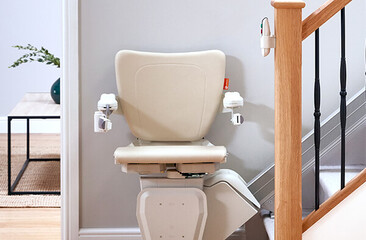
Island Lift Systems, part of Island Mediquip Ltd., specializes in home elevators, stair lifts, and platform lifts. On their funding resources page, they highlight the BC Rebate for Accessible Home Adaptations as a way to help pay for these installations and clearly state they serve Vancouver Island.
If climbing stairs is becoming risky, this kind of company can both install equipment and point you toward RAHA as a funding source.
Island Energy Retrofit
Nanaimo-based Island Energy Retrofit offers adaptive renovations and explicitly invites people to “learn more about the BC Rebate for Accessible Home Adaptations (BC RAHA)”, noting that eligible applicants may receive significant financial help to make homes safer and more accessible.
They combine energy retrofits with accessibility upgrades—helpful if you’re trying to do everything in one project.
Island Heights & other local renovators
Accessible renovation firms such as Island Heights Residential Renovations publish guides to home-improvement assistance programs and emphasize how RAHA supports low-income seniors and people with disabilities to finance accessibility modifications.
Island Heights Construction LTD
These companies often have experience working with RAHA, meaning they know what kinds of quotes, invoices and designs are most likely to be approved.
Northern Vancouver Island contractors
On northern Vancouver Island, contractors such as Three Pole Contracting note that many of their accessibility projects are funded through the RAHA program and that they serve the island’s northern communities.
Rehab and OT services
Rehab organizations like Symmetry Rehabilitation, which has locations including Nanaimo and Comox/Courtenay, also highlight BC RAHA as a “helping hand” for seniors and people with permanent health conditions. They focus on home safety and adaptive living solutions supported by the program.
These professionals can often help you identify the most effective adaptations and guide you through the paperwork.
Why You Should Apply if you Qualify
BC’s population is aging, and Vancouver Island has one of the oldest age profiles in the province. Many seniors want to age in place—in the homes, neighbourhoods and communities they know best—but face growing mobility challenges and fixed incomes.
Programs like RAHA are designed specifically to:
- Prevent falls and injuries
- Reduce hospital and long-term-care admissions
- Support independence and dignity
- Ease financial pressure on low-income households
Yet, despite being generous and relatively flexible, RAHA is still underused. Many eligible seniors and people with disabilities simply don’t know it exists.
Taking the next step
If you’re a senior or living with a disability on Vancouver Island—and your home is starting to feel more like an obstacle course than a safe haven—this grant may be exactly what you need.
Visit the BC Housing BC RAHA page to check your eligibility.
Call Island Health or a local OT/PT to request a home-safety assessment.
Reach out to a trusted local business—such as Island Mediquip/Island Lift Systems, Island Energy Retrofit, or Island Heights—to discuss practical adaptation options and RAHA-friendly project plans.
A few grab bars, a safer entryway, or a redesigned bathroom may not sound dramatic. But for thousands of British Columbians, they’re the difference between fear and confidence on the stairs, between relying on others and living life on one’s own terms.
If you think you might qualify, don’t wait—this is help you’ve already paid for with your taxes!
BC Housing
https://www.bchousing.org/housing-assistance/BC-RAHA/program-overview?utm_source=chatgpt.com
Mathieu Powell-Editor.