

Dr. Jeff Grognet DVM & Dr. Louise Janes September 2008

Current Article ∙ Archive ∙ Back to Island Voices
Ear Infections
by Jeff Grognet and Louise Janes
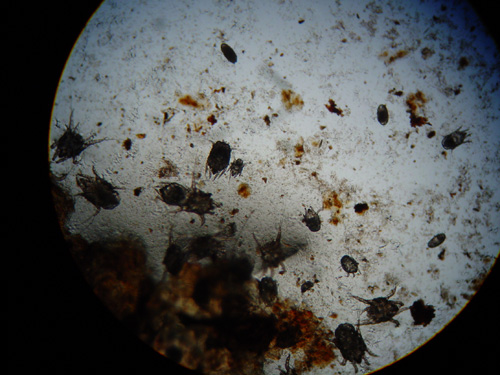
Ear infections plague both cats and dogs. Though similarities exist, there are significant differences. For example, ear mites are the most common cause of an ear infection in a young cat while allergies are a more likely cause in a dog.
Cats are prone to ear mites when they are young. Kittens can have such severe infestations that their entire ear canals are completely plugged with debris. As cats age, they develop immunity to mites so infestations are less common. When an older cat has a mite problem, we immediately look for other conditions that may be depressing its immune system.
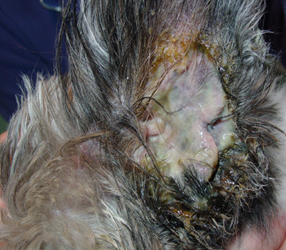
Dogs tend to get more ear problems as they get older. This is because allergies develop with age. They can react to inhaled allergens (dust, mould, pollens), fleas, and even their food.
Some dog breeds are prone to ear ailments because of their ear anatomy. Cocker Spaniels have floppy ear flaps that close off an already small ear canal. The ear canal can’t dry out so it becomes a breeding ground for bacteria and yeasts. Some individuals are prone to heavy scaling and wax build-up, which again promotes growth of infectious organisms. Dogs that swim a lot are susceptible to problems because of excessive moisture in their ears.
Occasionally, something such as a grass awn (seed head) can get stuck in the ear canal. In this case, the dog will suddenly begin to paw at its ear and shake its head.
When investigating an ear problem, we want to know if it has occurred before, when it started, and what the ears looked like initially compared to now. Did any previous treatments help? We want to know if the pet has been in close contact with other animals and whether the dog swims frequently.
Because the ear is an extension of the skin, we will also ask questions about skin disease and check the skin for problems.
We then examine the ears, checking both ear canals and flaps. We check for redness, odour, and discharge. Sometimes, we will take a sample from the ear canal and check it for yeast and bacteria under a microscope.
In most cases, infected ears need to be cleaned or flushed. We teach people how to clean their pets’ ears at home and make sure they use the correct cleansers. Topical ointments are usually required to treat ear infections and occasionally oral medications are needed.
For more information contact Dr. Jeff Grognet or Dr. Louise Janes at
Mid-Isle Veterinary Hospital
5-161 Fern Road West
Qualicum Beach, BC
Tel (250) 752-8969