

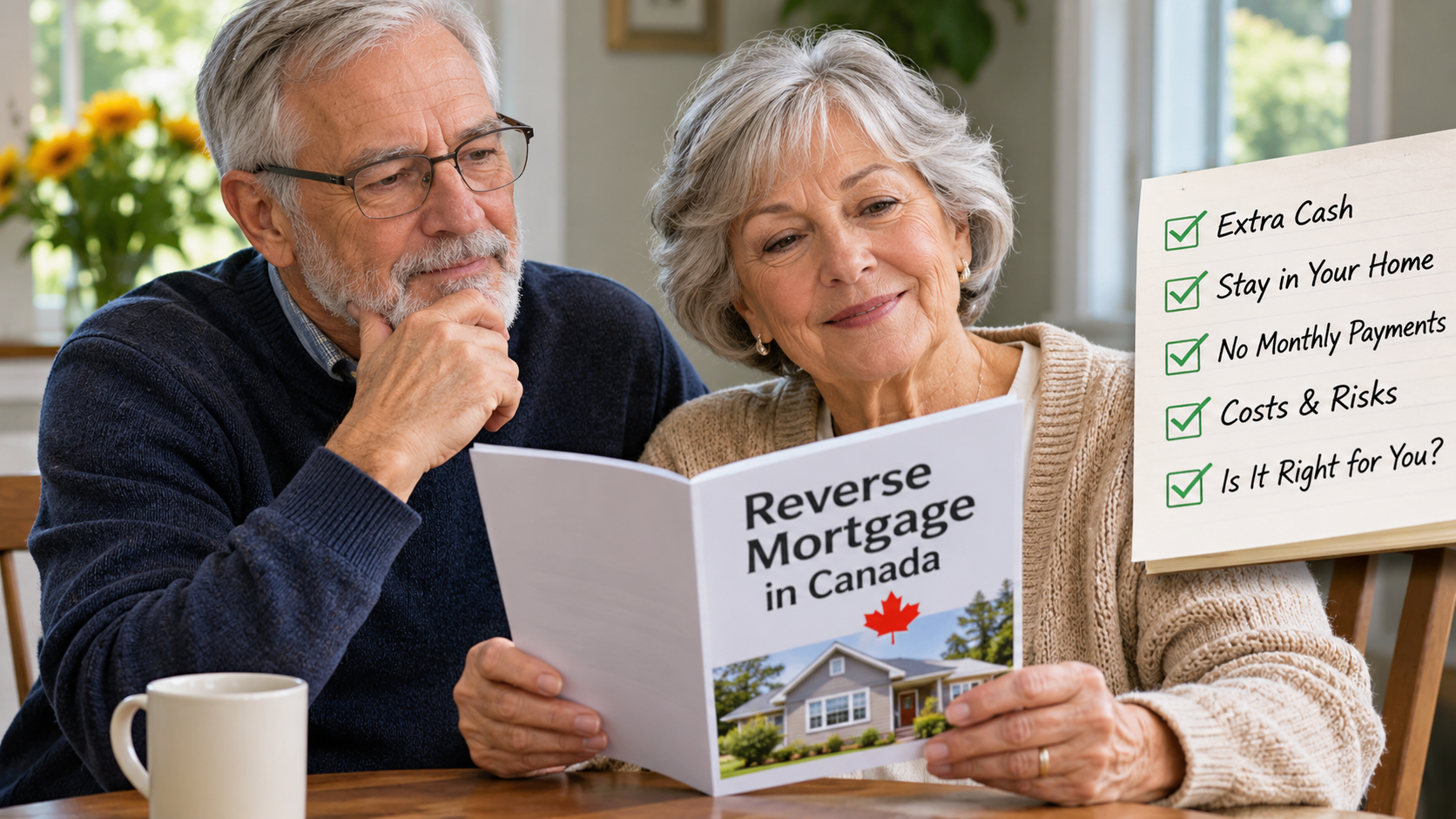
Are Reverse Mortgages the Right Strategy for Everyone?
Seniors and those soon to be officially admitted into that category, have been discovering a remedy for their alarming cash flow challenges. The best of plans, careful saving and methodical payments to create a secure landing pad when retirement arrives weren’t always enough.
The bills continue to arrive. Insurance, repairs, property taxes and other expenses put a significant drain on the diminishing bank account. It doesn’t help that grocery prices and fuel for the gas guzzler in the driveway have skyrocketed. It can be frightening when government pensions and income from greeter duty at Walmart don’t cut it.
It wasn’t supposed to be this way. But for some senior homeowners, taking advantage of a reverse mortgage is a practical solution. The reverse mortgage checks most of the boxes. Instant, non-taxable cash, no mortgage payments, and the certainty of remaining in their home indefinitely.
But is a reverse mortgage strategy right for everyone? There are horror stories out there. Are they factual or merely myths based on misinformation?
Are Reverse Mortgages Safe in Canada?
Canada has a well-deserved reputation for having one of the safest banking environments in the world. Stringent regulations ensure that a depositor’s money is safe. When it comes to reverse mortgages, legislation is also in place to protect clients. Something called the “no negative equity guarantee” ensures that you will never owe more than your house is worth. You are required to keep the property in good repair, carry insurance and pay the property taxes.
Ajit Hundal is an Independent Licensed Mortgage Broker with Mortgage Architects Inc. He says obtaining professional advice is important for anyone contemplating the reverse mortgage route.
“As with any mortgage, a breach in the mortgage contract can have serious consequences, including foreclosure,” Hundal says. “Our lenders typically also have a no negative equity guarantee which ensures a borrower will never owe more than the home is worth. “This gives the borrower peace of mind knowing that they cannot get foreclosed upon for that reason. “
That’s the vital first level of protection, but what about other concerns? What happens if a spouse dies, for example? Spousal protection ensures one borrower can remain in the home if the other borrower passes away. This means they do not have to requalify for the reverse mortgage or find a new place to live.
“In the event of a death, the beneficiary of the estate is typically given the first opportunity to make arrangements to either pay out the loan by way of refinancing or selling the home,” Hundal explains.
Like many important decisions in life, Hundal says it is wise to consult with other family members during the process of securing a reverse mortgage if they are comfortable doing so.
“I often meet with a client and an adult child or trusted friend together. It gives everyone a chance to ask questions and hear the same explanation. The homeowner always makes the final decision.
“We also require our clients to seek independent legal advice when obtaining a reverse mortgage to clarify and understand anything they still feel unsure about,” he says.
Fortunately, government regulations and enforcement of rules within the financial planning community go a long way in ensuring borrowers are well-protected. And responsible brokers and financial planners always lay out the costs of securing a reverse mortgage.
Setting up a Reverse Mortgage
“The most important thing is to understand the initial set-up costs and the long-term cost of borrowing. When you don’t have to make monthly payments, the loan balance can grow quietly in the background,” Hundal says.
“Borrowing more than you need can leave you with less flexibility later. I also talk through what happens if a client decides to sell or move earlier than expected, since an early repayment charge may apply. It is also important to consider estate planning and what will happen to the beneficiaries following a life event.”
Costs may include a lender’s application fee which is currently approximately $1,795, independent legal advice of $1,000, appraisal fees and title insurance. These are the typical costs for setting up the reverse mortgage product along with any penalty expense of paying out an existing mortgage. If you work with a broker to arrange the reverse mortgage product, the broker is usually compensated by the lender and no additional broker fees should apply.
If a reverse mortgage isn’t the right fit, there are other options to consider. If the borrower qualifies and is comfortable making regular payments, a traditional mortgage or home equity line of credit may be less expensive with lower rates. Sometimes downsizing may also be a viable solution for someone who is ready for a different home.
“If there is substantial equity in the home, there are always options worth considering and the borrowers make the final decision on which one works best for them,” Hundal points out.
Read: Reverse Mortgages Could Be The Answer For Cash-Strapped Seniors